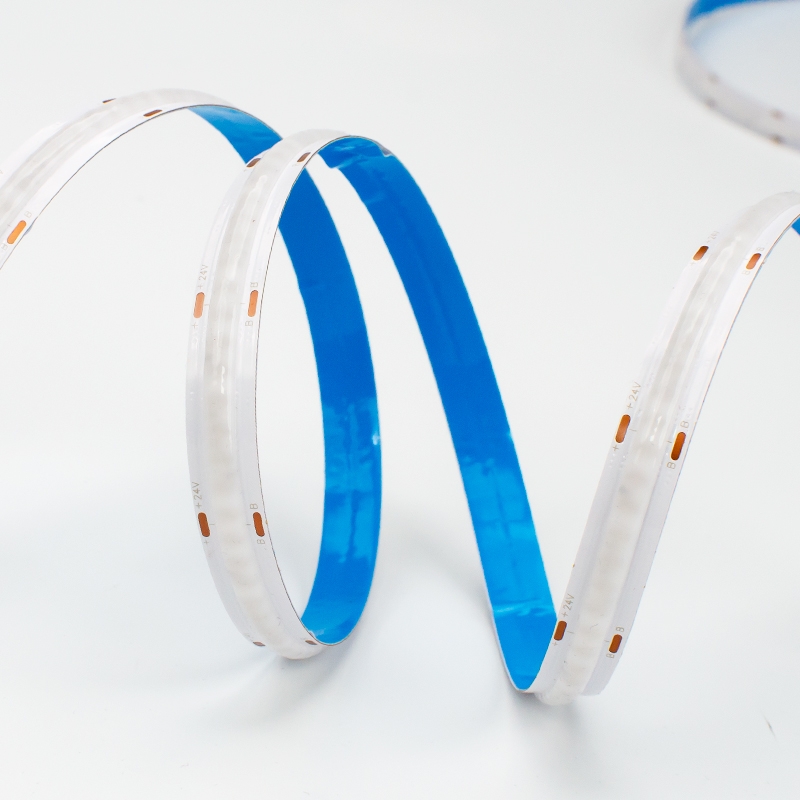
COB LED Strip: What You Gain, What You Pay, and When SMD Wins
COB removes dot pattern completely, but costs more and concentrates heat. A straight comparison of COB versus SMD, and the four questions to settle before specifying COB.
COB removes dot pattern completely, but costs more and concentrates heat. A straight comparison of COB versus SMD, and the four questions to settle before specifying COB.

UL Listed versus Recognized Component, which standard applies to what, what an inspector looks up, and the red flags that signal a certificate that will not survive the port.

Channel count, refresh rate and power injection are three different limits. What each one caps, how they interact, and the universe and injection plan for installations from 100 to 5,000 nodes.
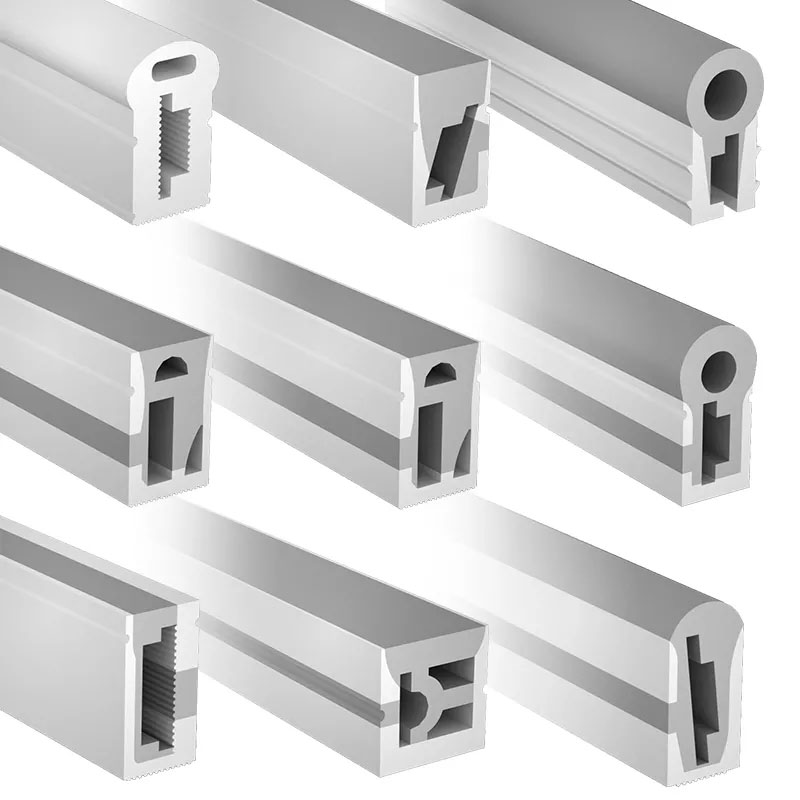
Most neon flex sign problems are geometry problems. How to calculate available inner radius from stroke width, which profile size fits which letter, and five ways to make a tight letter work.

IP65 and IP67 do not mean what most installers assume. How outdoor LED strip actually fails, what the IP tests do and do not cover, and the four documents to ask for instead of a rating.
Pixel pitch, node power, injection spacing and controller channels decide whether a point light installation works. Includes IC comparison, viewing distance tables, power injection limits at 12V and 24V, and a commissioning checklist.
Eight decisions that determine whether an LED strip installation works: voltage and run length, LED density, lumens per watt, CRI and R9, SDCM binning, IP rating, thermal management, and driver sizing — with US and EU compliance notes.
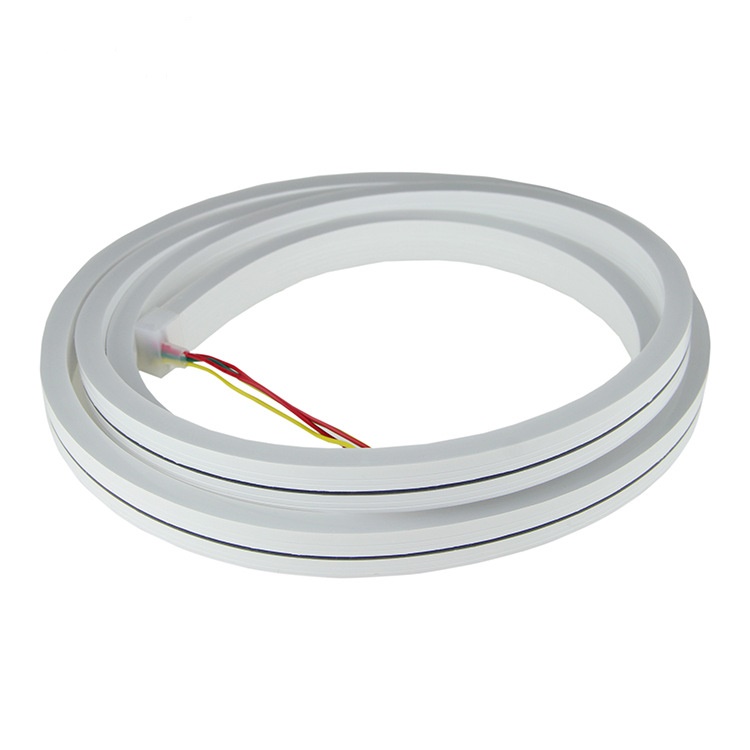
Glass neon or LED neon flex? A side-by-side comparison of power, running cost, lifespan, colour quality, bending radius, weather resistance and certification for the US and EU markets — plus the cases where glass is still the right call.